News
Mugi Sawabe Wins Best Poster Award at the 12th International Aerosol Conference (IAC 2026)
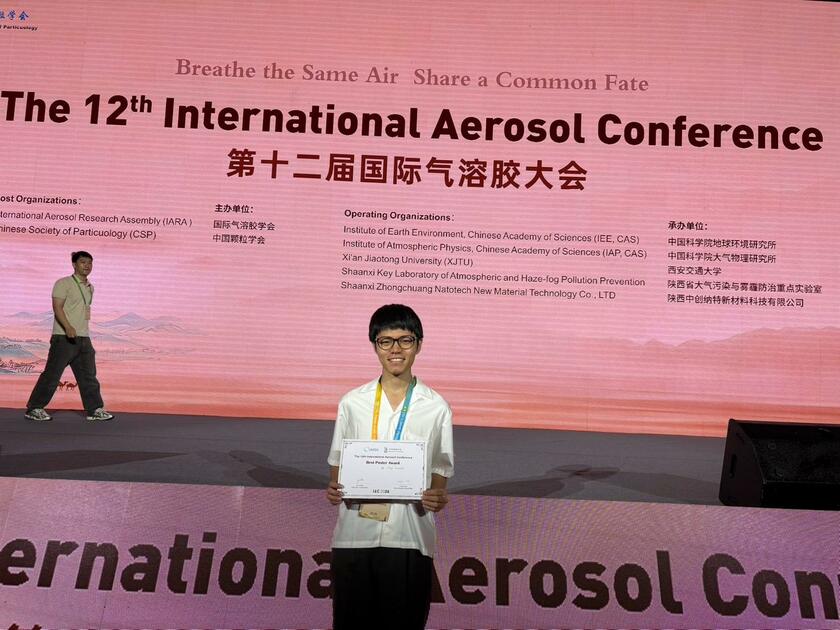
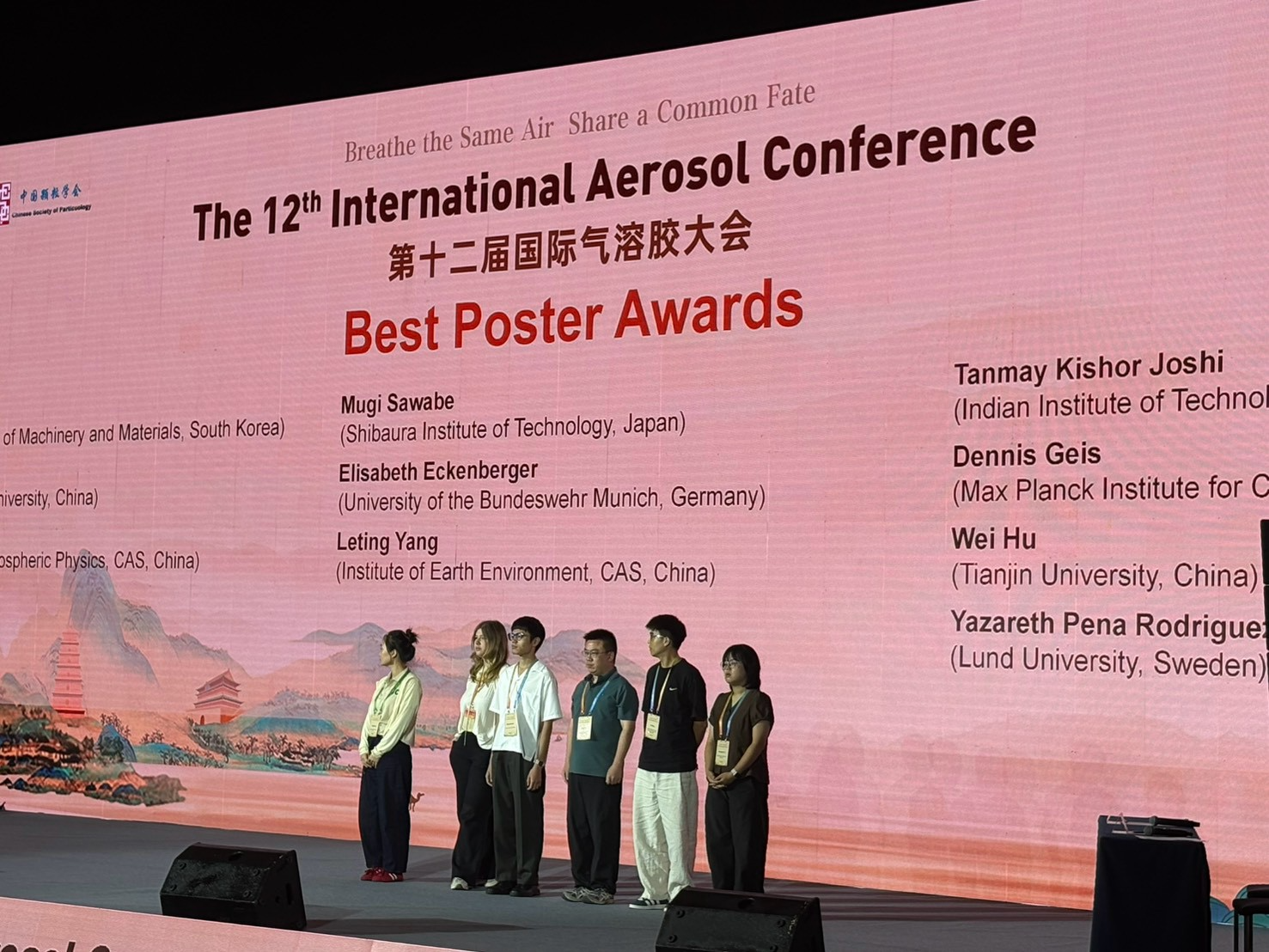
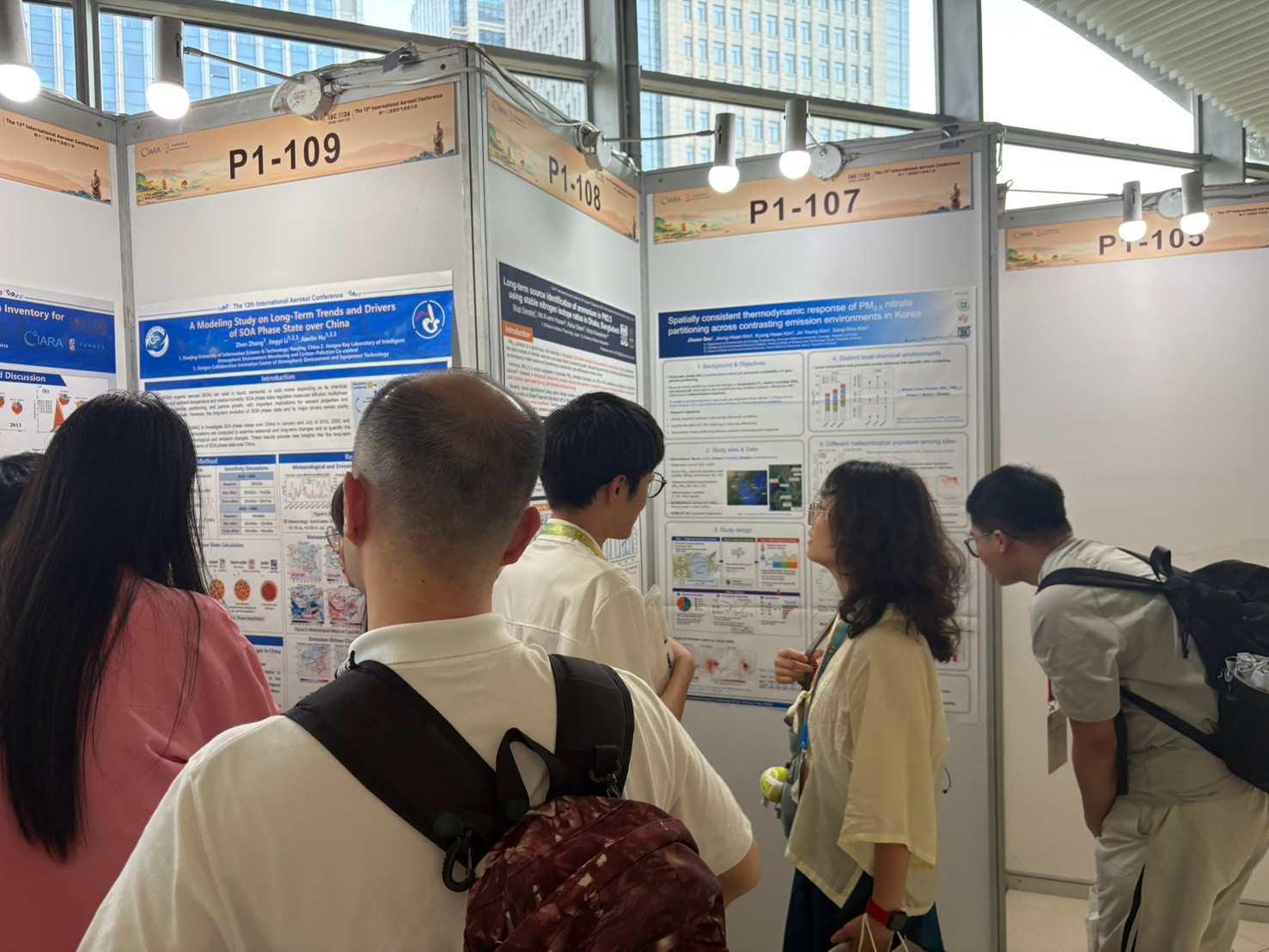
Mugi Sawabe, a master's student in the Systems Engineering and Science Program, Graduate School of Engineering and Science, gave a presentation at the 12th International Aerosol Conference (IAC 2026), held in Xi'an, China, from August 30 to September 5, 2026. Mugi received a Best Poster Award. Congratulations!
Comments from Mugi Sawabe
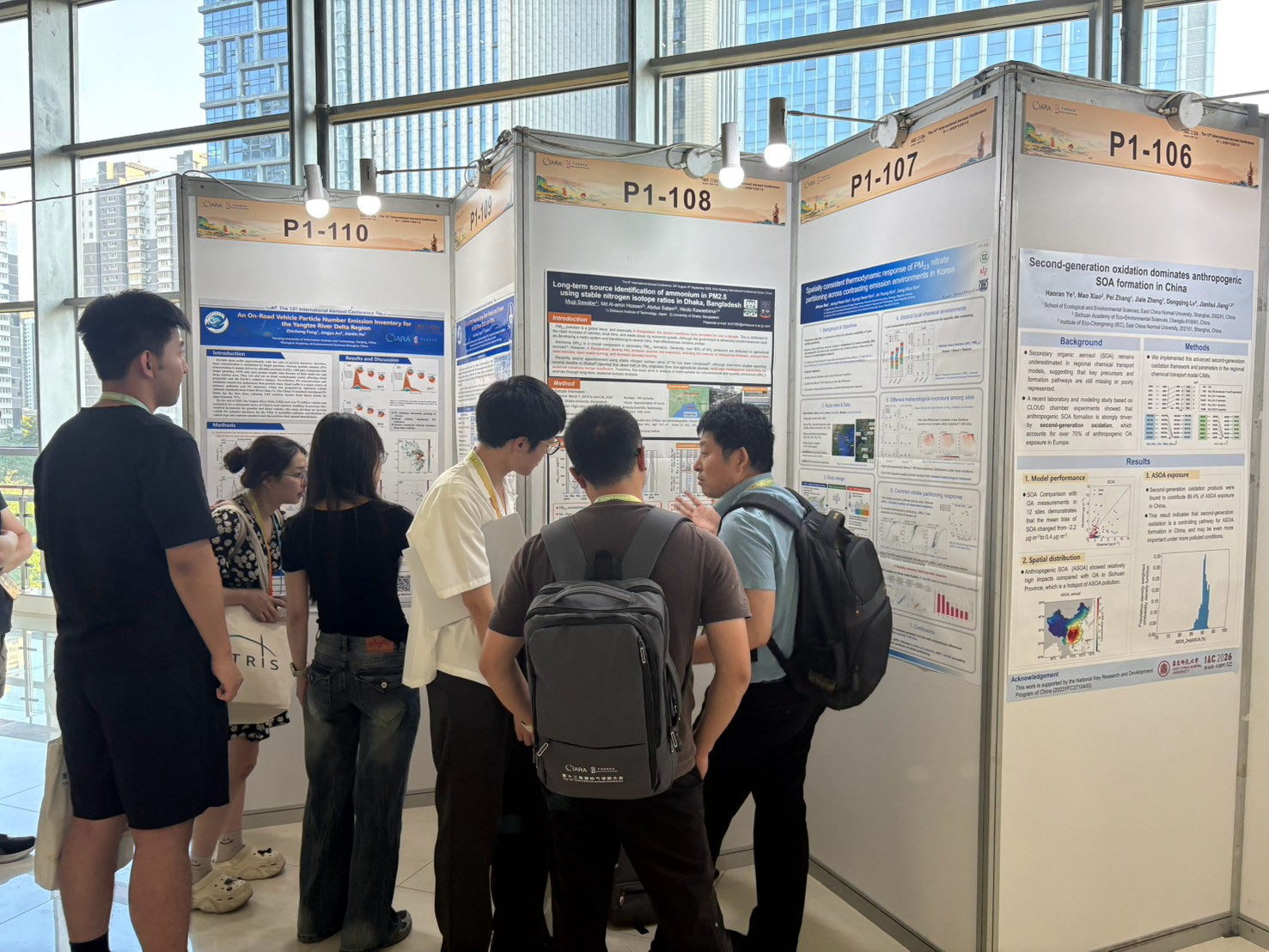
My presentation was titled "Long-Term Source Identification of Ammonium in PM2.5 Using Stable Nitrogen Isotope Ratios in Dhaka, Bangladesh." Bangladesh, in South Asia, has struggled with air pollution from high concentrations of PM2.5 for more than a decade. In this study, we quantitatively estimated the sources by measuring the chemical composition of PM2.5 collected at the University of Dhaka, in the capital, and the stable nitrogen isotope ratios of ammonia. Analyzing five years of long-term data, we found that ammonium ions have increased substantially in recent years and reach especially high concentrations during the dry season. Ammonia is generally thought to come mainly from agricultural sources such as fertilizers and livestock, but in Dhaka we found a relatively large contribution from non-agricultural sources such as biomass burning and vehicle exhaust.
This was my first international conference, and my first presentation abroad, so I was very nervous. My English was far from perfect, but I managed to explain my work using my figures and plenty of gestures. Everyone, from students to professors, listened kindly and attentively, and we had all kinds of discussions: "That's interesting research," "What does this result mean?" and "Why not try it this way?" I was delighted to feel that I had really managed to communicate my work, and it gave me confidence. One professor pointed out several aspects of my experimental methods that I had never noticed but were important, and put his finger on things that had been vaguely bothering me. Finding these valuable starting points for new questions was one of the biggest rewards of the trip.
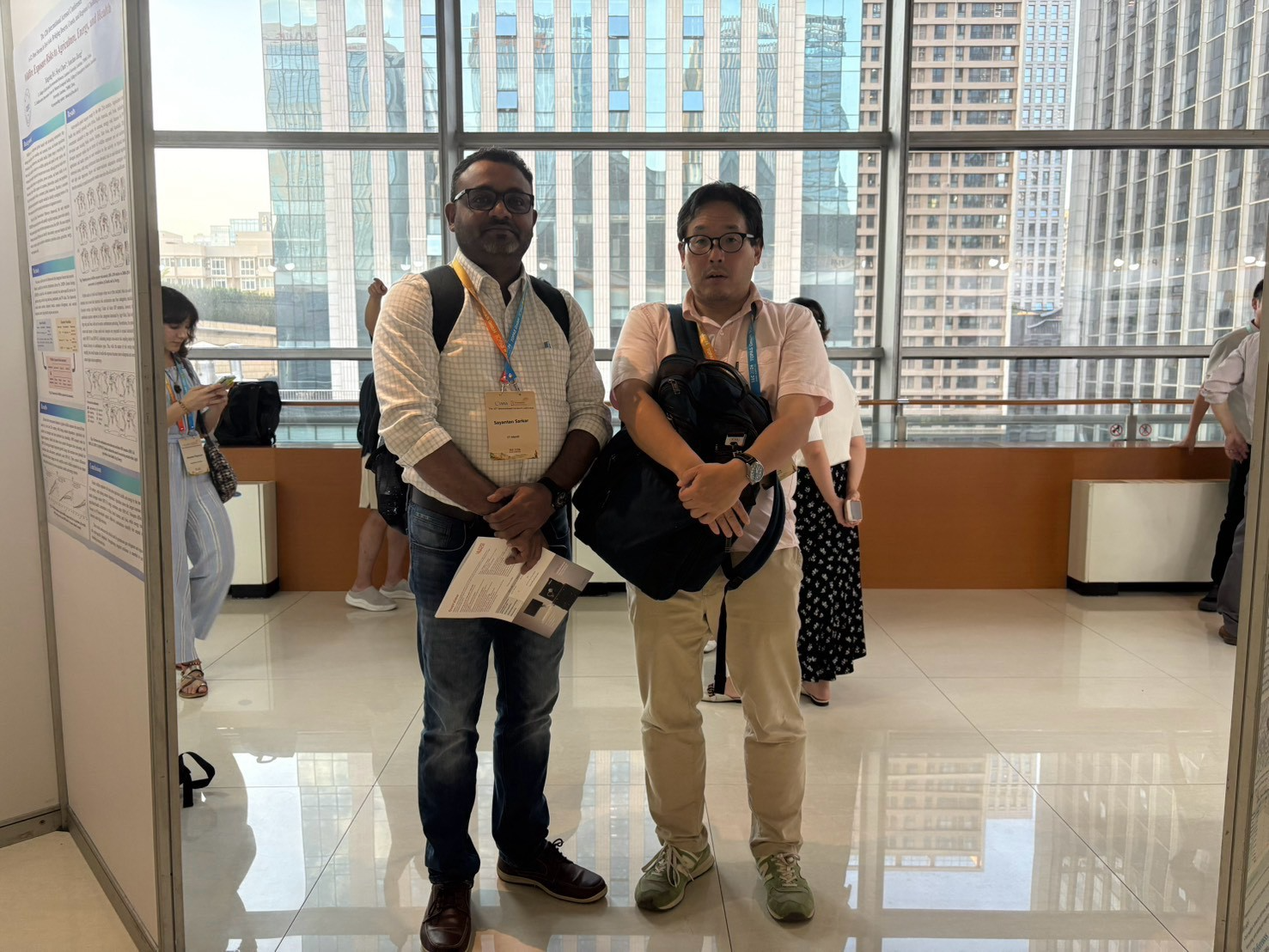
During the conference, I met a great many people, including researchers and doctoral students from Japan and China. We talked about everything from research to daily life, and I noticed many differences in culture and ways of thinking between people and countries. It was a very stimulating time.
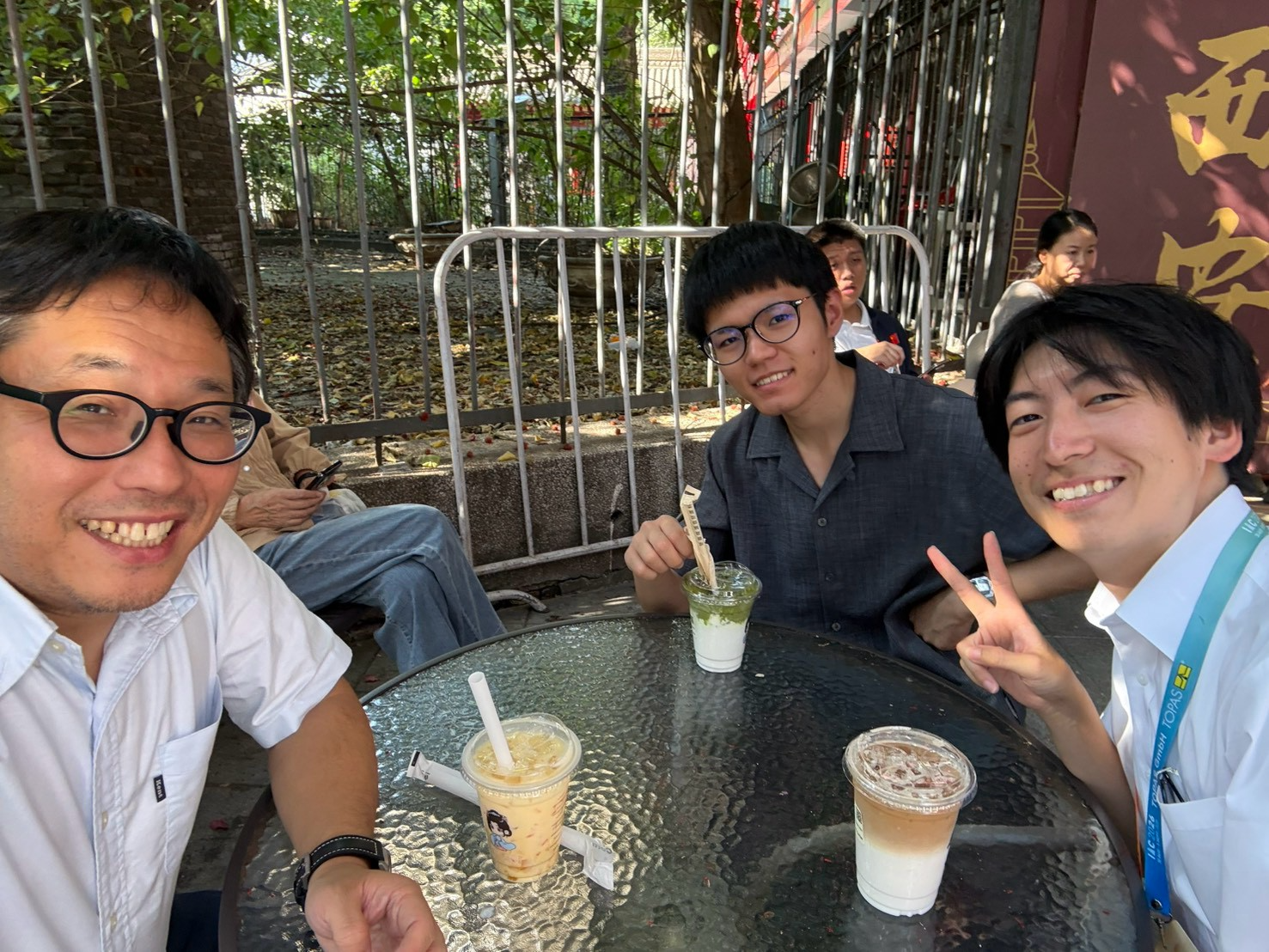
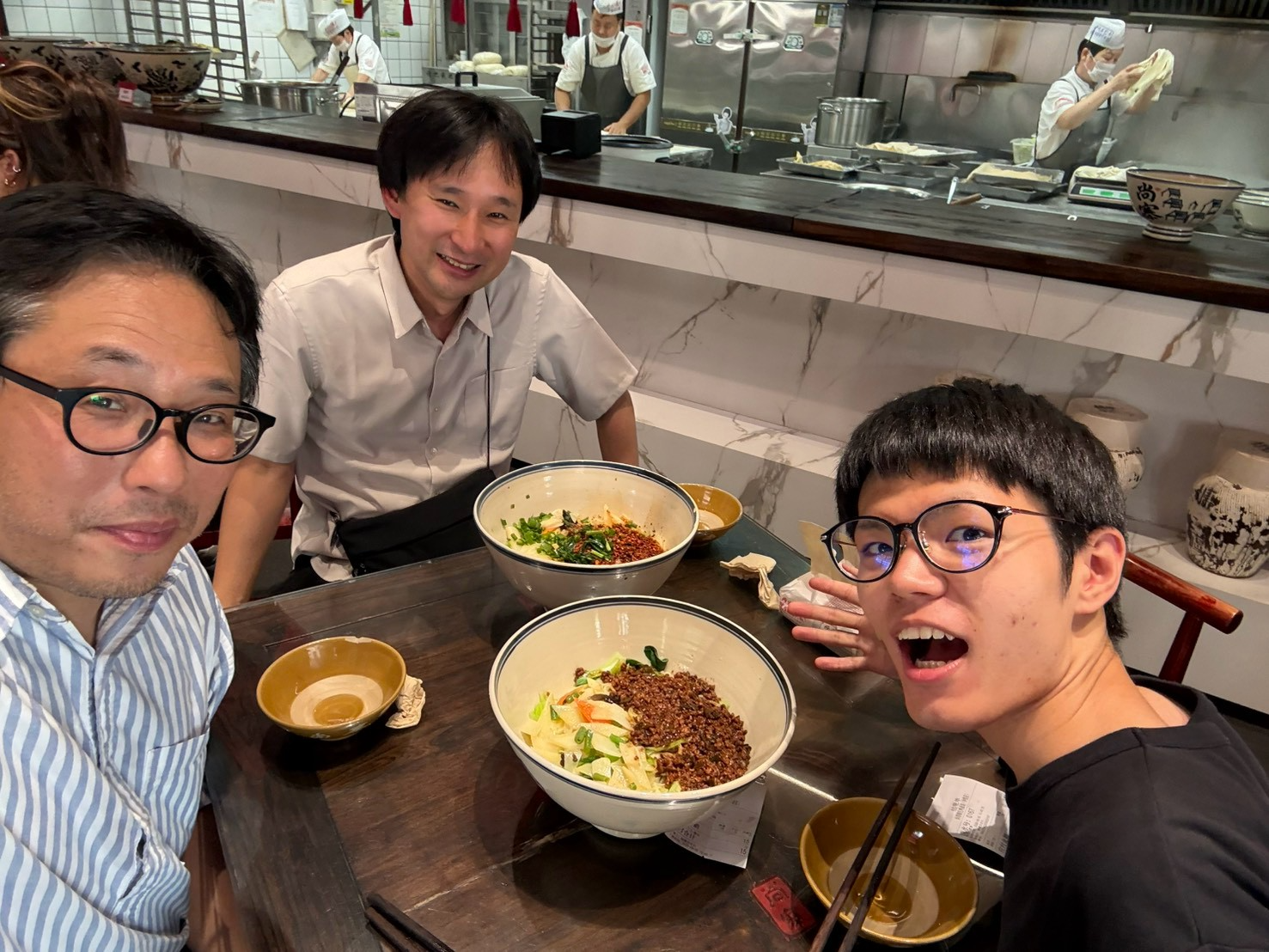
During lunch breaks and in the evenings I sometimes went into town, where the local people were truly kind to me. Although I don't speak Chinese, people showed me how to use local maps and payment apps. At one shop, after I ordered food I was supposed to collect myself, the staff brought it to my table. When I bought a handmade souvenir, the shopkeeper went to the trouble of calling the maker over so we could take a photo together. Again and again I felt the warmth of the people there.
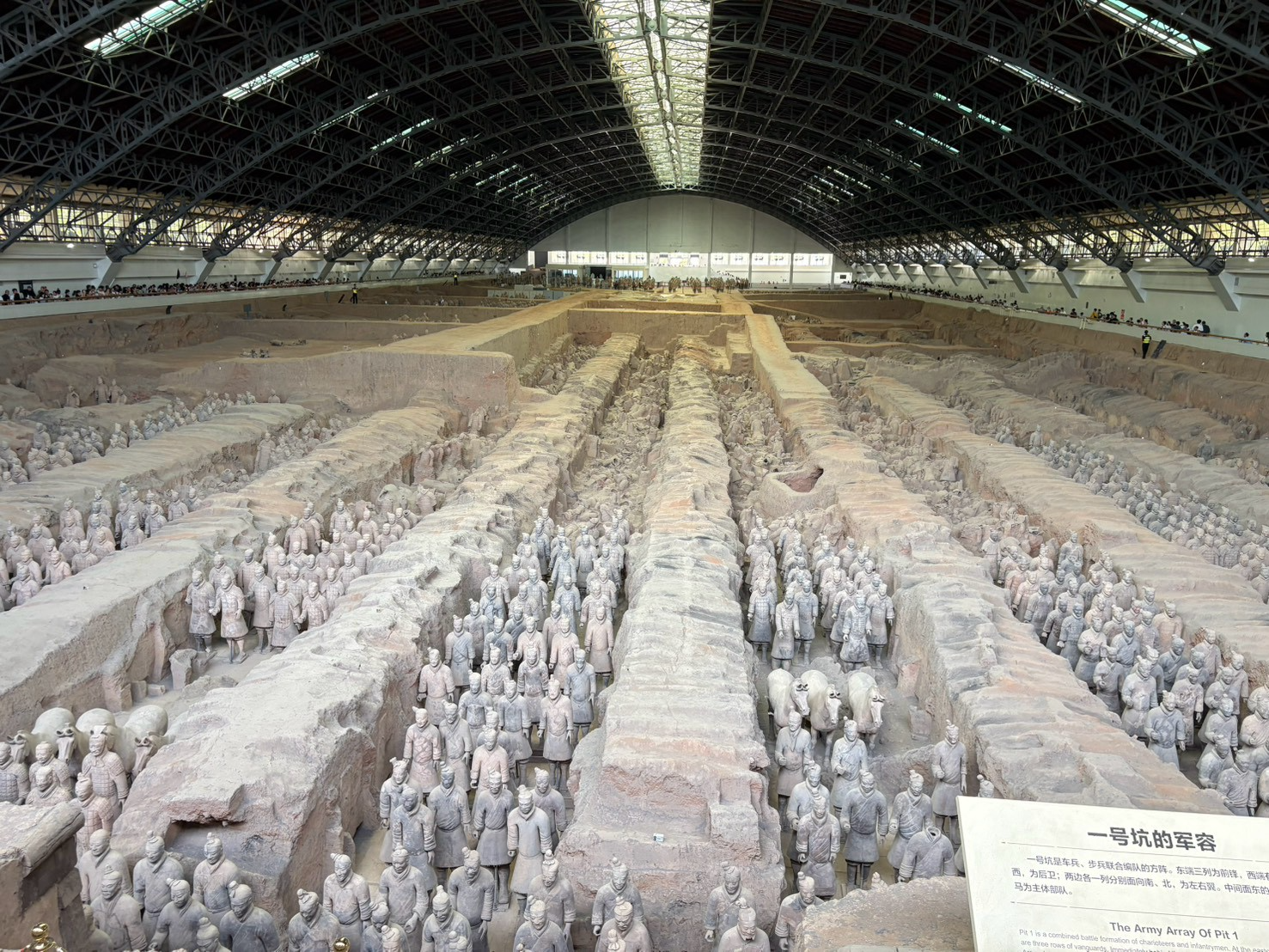
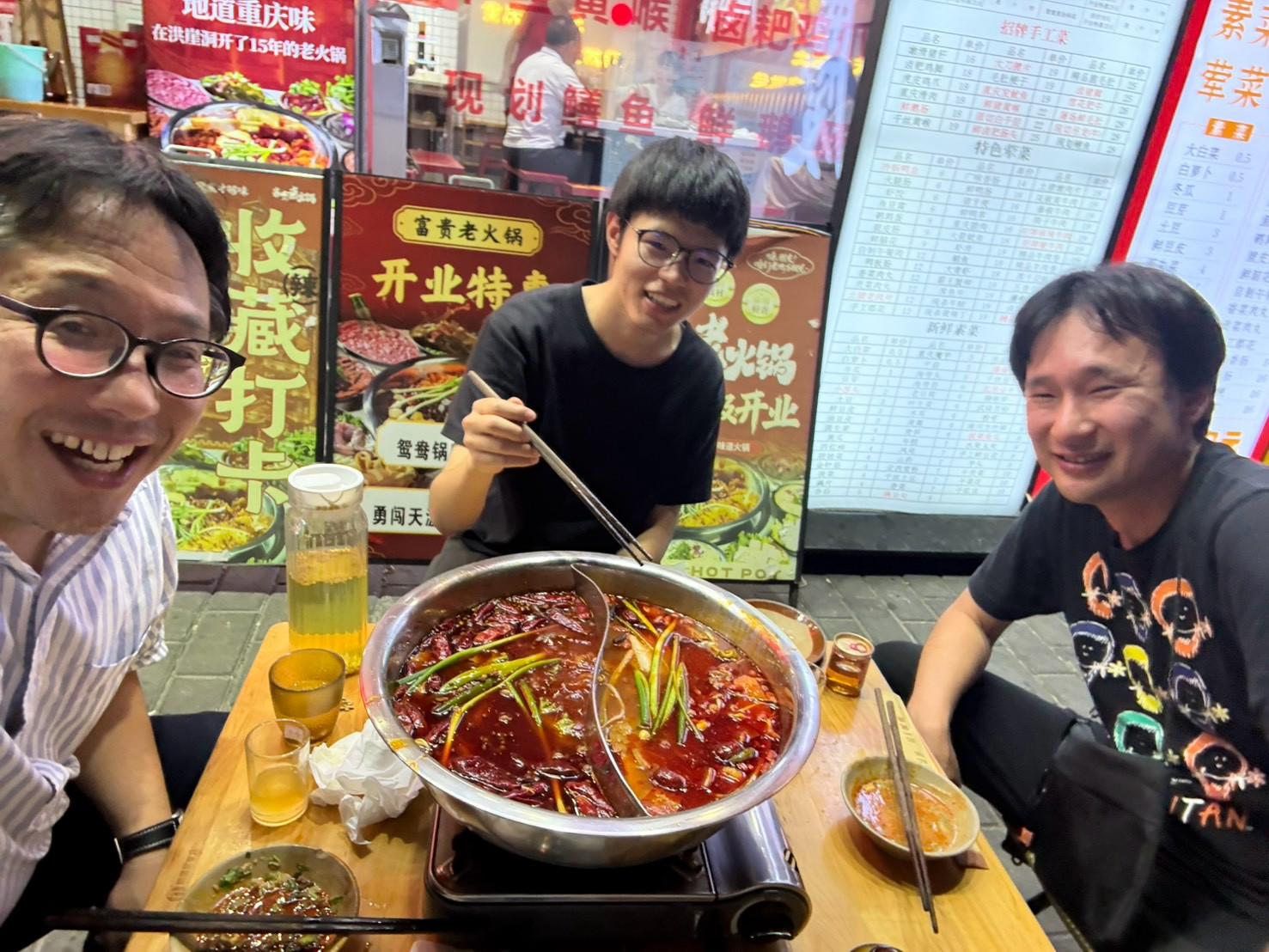
I also enjoyed the sky and the scenery from the plane, my first flight in a long time. I soaked up the relaxed, open atmosphere of the city and tasted lots of delicious food. The trip left me with wonderful memories, and I came to love China itself.
Finally, I would like to express my deep gratitude to Professor Hiroto Kawashima for his dedicated guidance and for accompanying us on the trip. I also thank Professor Salam of the University of Dhaka and everyone involved in our joint research, the members of our laboratory, with whom I work every day, and my father and mother, who always watch over and support me with such warmth.
 |  |
 |  |
 |  |
 |  |
 |  |


Latest News
-
Conference2026.09.23Mugi Sawabe Presents at the 67th Annual Meeting of the Japan Society for Atmospheric Environment
-
Paper2026.09.09Maehara's Research Published in the International Academic Journal "Analytica Chimica Acta"
-
News2026.08.20Call for Donation of PFAS Reference Standards (Domestic (Japan) Only)
Category
Archive
- 2026-9 (3)
- 2026-8 (1)
- 2026-6 (3)
- 2026-5 (1)
- 2026-4 (2)
- 2026-3 (2)
- 2026-2 (1)
- 2026-1 (1)
- 2025-9 (1)
- 2025-8 (3)
- 2025-7 (3)
- 2025-1 (1)
- 2023-1 (1)
- 2022-11 (1)
- 2022-10 (3)
- 2022-9 (1)
- 2022-8 (1)
- 2022-6 (2)
- 2022-4 (1)
- 2022-3 (1)
- 2022-2 (2)
- 2021-10 (1)
- 2021-9 (2)
- 2021-8 (1)
- 2021-5 (1)
- 2021-4 (1)
- 2021-3 (2)
- 2021-1 (1)
- 2020-10 (2)
- 2020-8 (1)
- 2020-7 (1)
- 2020-6 (1)
- 2020-5 (1)