News
Mugi Sawabe Presents at the 67th Annual Meeting of the Japan Society for Atmospheric Environment
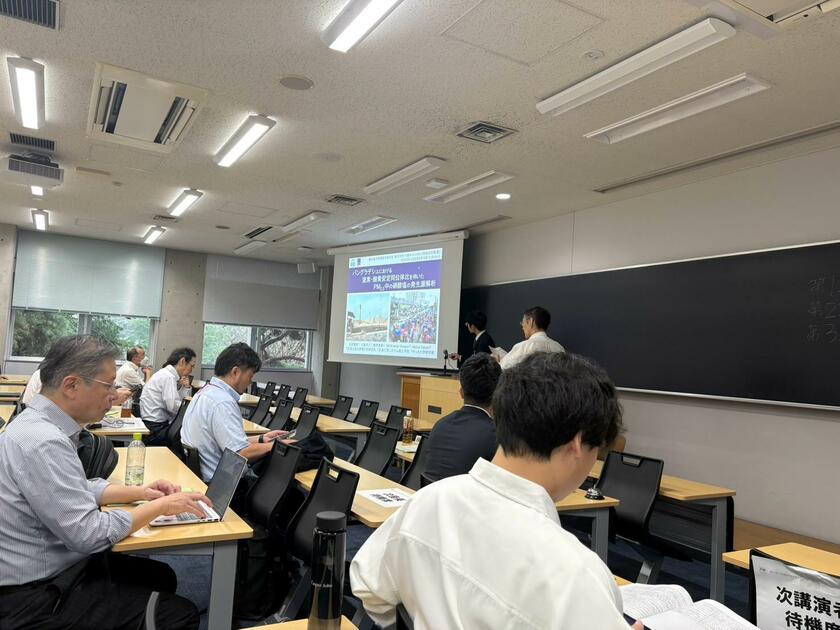
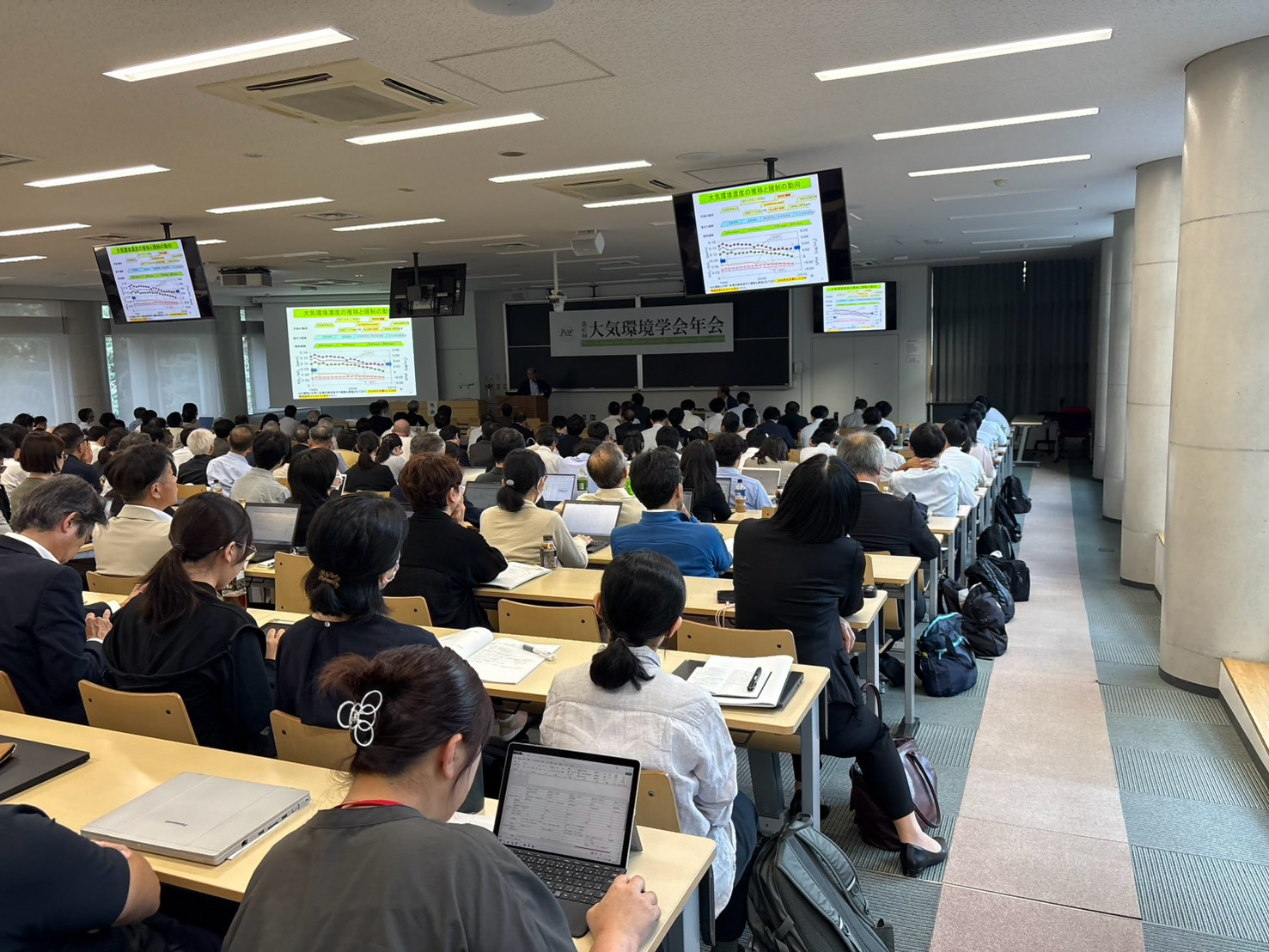
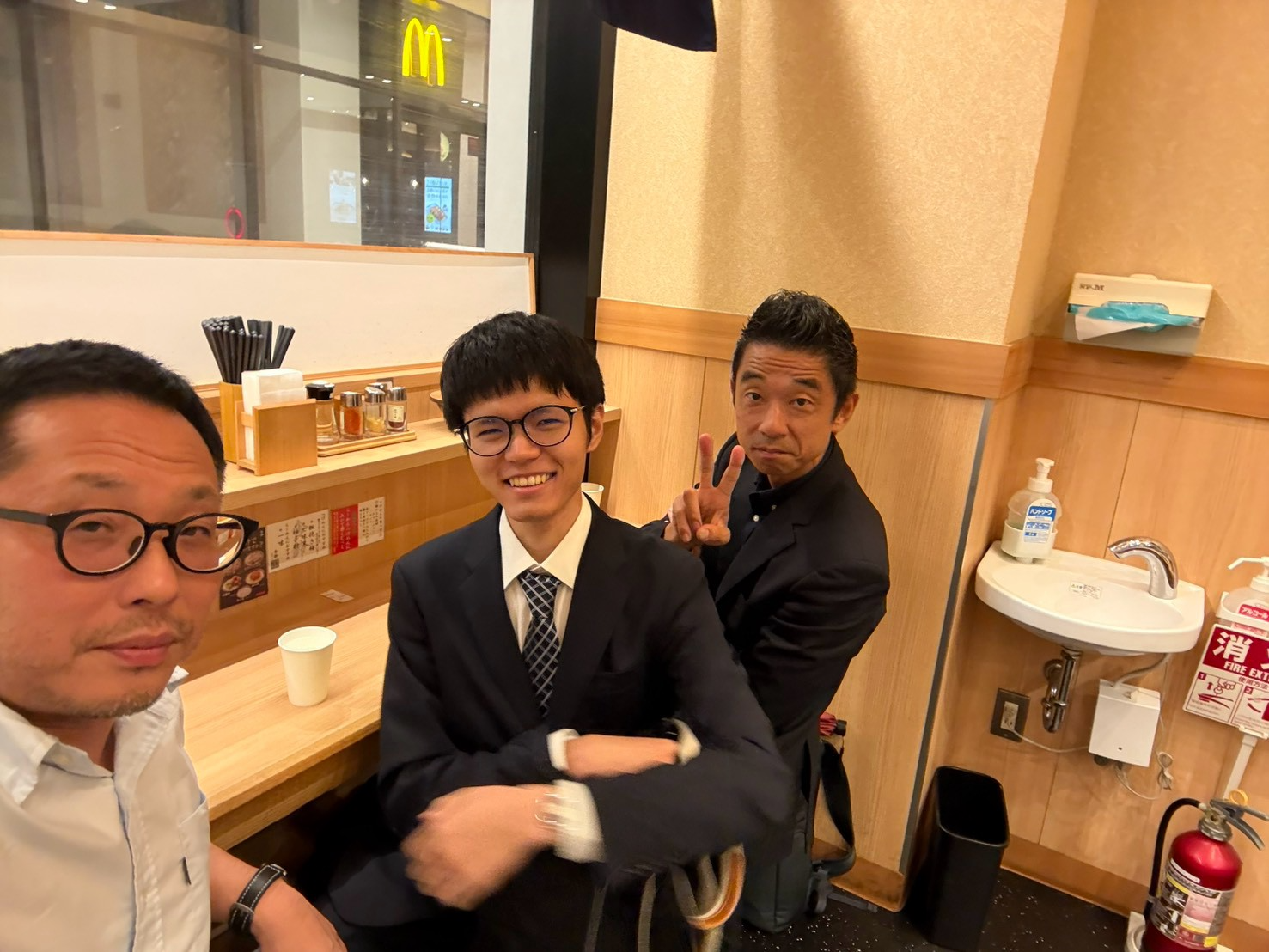
Mugi Sawabe, a master's student in the Systems Engineering and Science Program, Graduate School of Engineering and Science, gave presentations at the 67th Annual Meeting of the Japan Society for Atmospheric Environment, held at the Kawagoe Campus of Toyo University from September 16 to 18, 2026.
Comments from Mugi Sawabe
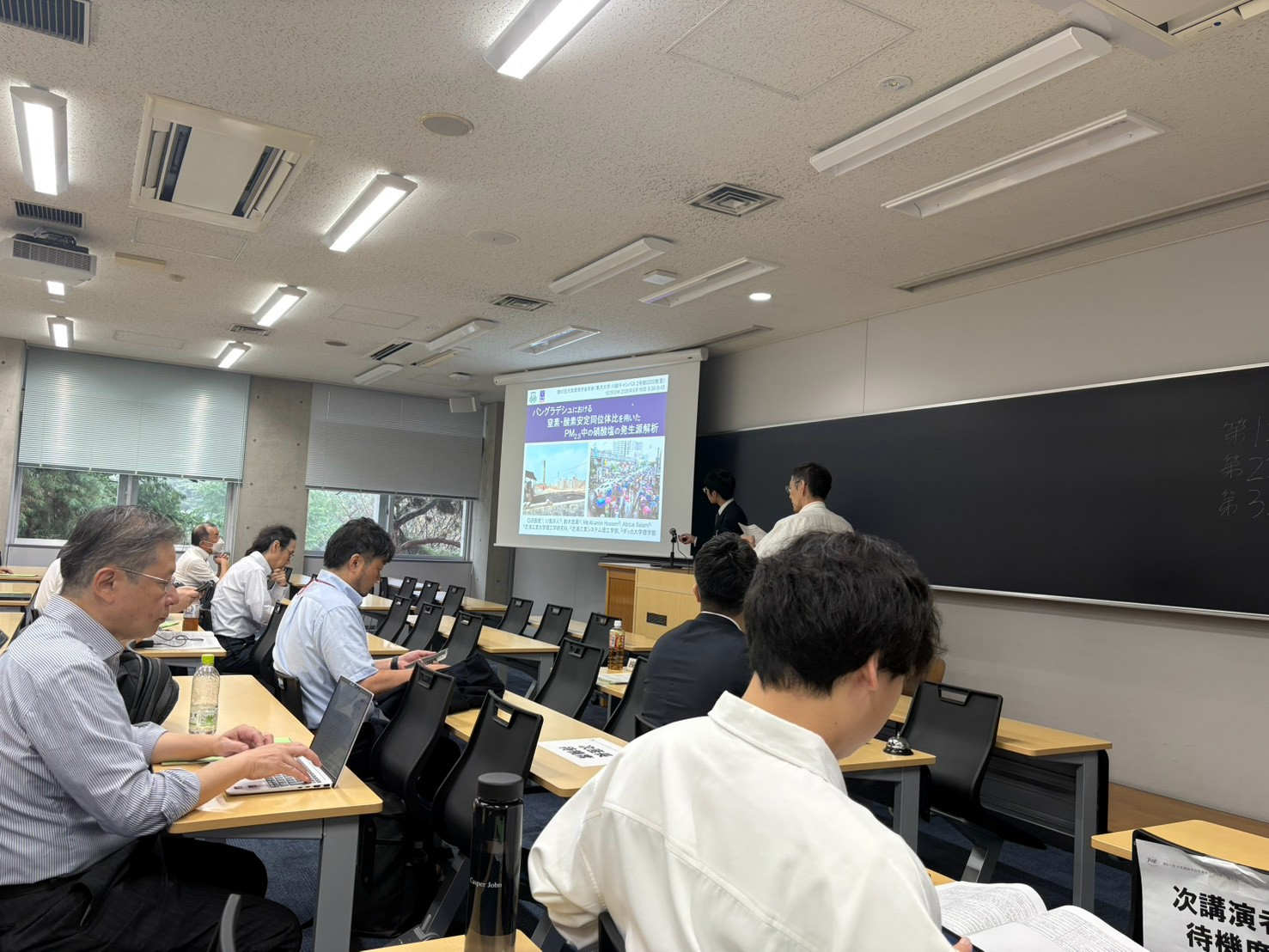
My oral presentation was titled "Source Apportionment of Nitrate in PM2.5 in Bangladesh Using Stable Nitrogen and Oxygen Isotope Ratios." Air pollution from PM2.5 is a problem worldwide, and Bangladesh, in South Asia, faces one of the most severe situations. In this study, we quantitatively estimated the sources and formation pathways of nitrate (NO₃⁻) in PM2.5 in Dhaka, the capital of Bangladesh, using stable nitrogen and oxygen isotope ratios (δ¹⁵N and δ¹⁸O), respectively. The results showed that daytime formation accounted for more than 90% of NO₃⁻ from June to September, while nighttime formation may have increased from December to February. We also found that emissions of the precursor, nitrogen oxides (NOx), come mostly from vehicle exhaust and biomass burning, which together account for about 70–80%.
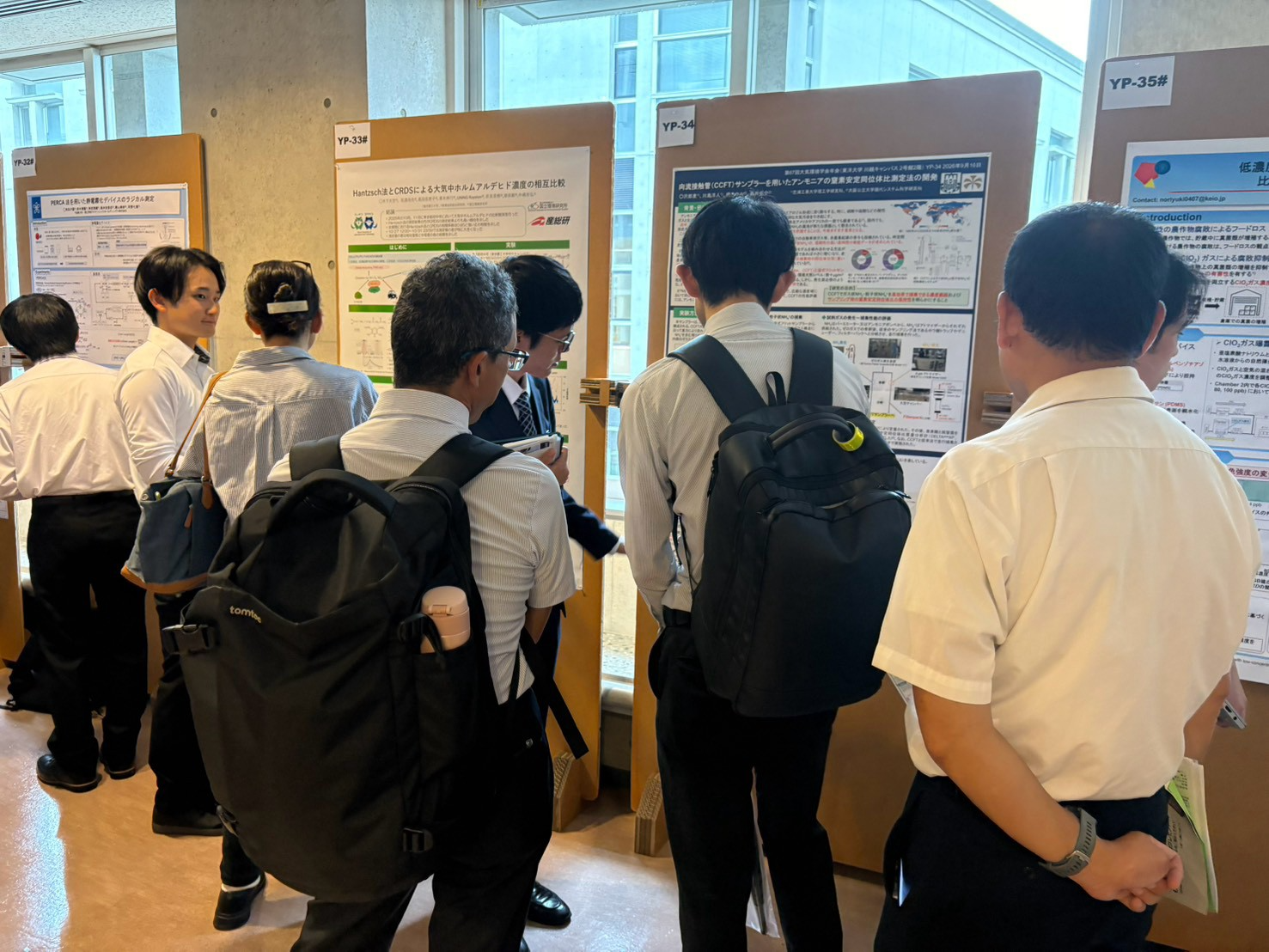
My poster presentation was titled "Development of a Method for Measuring Stable Nitrogen Isotope Ratios of Ammonia Using a Counter-Current Flow Tube (CCFT) Sampler." As with NO₃⁻, measuring δ¹⁵N is considered an effective way to identify the sources of ammonia (NH₃), a precursor of air pollutants. However, depending on the conventional sampling method used, the δ¹⁵N values could change during collection. In this study, we aimed to develop a new sampler that uses a special glass tube, the counter-current flow tube (CCFT), to collect NH₃ without altering its δ¹⁵N value. Simultaneous sampling with the conventional method and the CCFT showed that NH₃ at atmospheric concentrations up to 400 μg/m³ could be collected with essentially no problems, although challenges remain for higher concentrations.
This was my first oral presentation in about a year. I felt I had made real progress in the content and structure of my talk, but I still found the Q&A difficult, since it requires concise and appropriate answers in a limited time. In the poster session that followed, however, I could talk in depth one-on-one with the people who stopped by. We had good discussions, and I received many comments that will help my future research. Some specialists in nitrate and ammonia even came to my poster to explain the key points on questions I had not been able to answer well during my oral presentation. I am truly grateful to them.
Because this was a society devoted to the atmospheric environment, many of the topics seemed related to my own research, and listening to the talks was very educational. PM2.5 monitoring and composition analysis are especially close to my work, of course. Research on photochemical oxidants and brake wear particles from vehicles is a little further from my field, but these are hot topics in recent years, and hearing about several of these cutting-edge studies made for a very rewarding time.
I have attended this meeting three years in a row, starting two years ago. What made me happy this time was that, when listening to presentations, I found myself thinking "I understand this, and it's interesting" much more often than last year. I found more points to question, such as how other work is similar to or different from my own research, and I felt a growing desire to learn more and explore further.
As at the International Aerosol Conference earlier this month, I am deeply indebted to Professor Kawashima. I would also like to express my sincere gratitude to Asso. Prof. Fujii and Ms. Tachibana of Osaka Metropolitan University for their collaboration. I intend not to keep what I have learned and experienced to myself, but to share it with the laboratory and put it to good use.
 |  |
 |  |


Latest News
-
Conference2026.09.18Mugi Sawabe Wins Best Poster Award at the 12th International Aerosol Conference (IAC 2026)
-
Paper2026.09.09Maehara's Research Published in the International Academic Journal "Analytica Chimica Acta"
-
News2026.08.20Call for Donation of PFAS Reference Standards (Domestic (Japan) Only)
Category
Archive
- 2026-9 (3)
- 2026-8 (1)
- 2026-6 (3)
- 2026-5 (1)
- 2026-4 (2)
- 2026-3 (2)
- 2026-2 (1)
- 2026-1 (1)
- 2025-9 (1)
- 2025-8 (3)
- 2025-7 (3)
- 2025-1 (1)
- 2023-1 (1)
- 2022-11 (1)
- 2022-10 (3)
- 2022-9 (1)
- 2022-8 (1)
- 2022-6 (2)
- 2022-4 (1)
- 2022-3 (1)
- 2022-2 (2)
- 2021-10 (1)
- 2021-9 (2)
- 2021-8 (1)
- 2021-5 (1)
- 2021-4 (1)
- 2021-3 (2)
- 2021-1 (1)
- 2020-10 (2)
- 2020-8 (1)
- 2020-7 (1)
- 2020-6 (1)
- 2020-5 (1)