Research
Isotope analysis using HR-MS
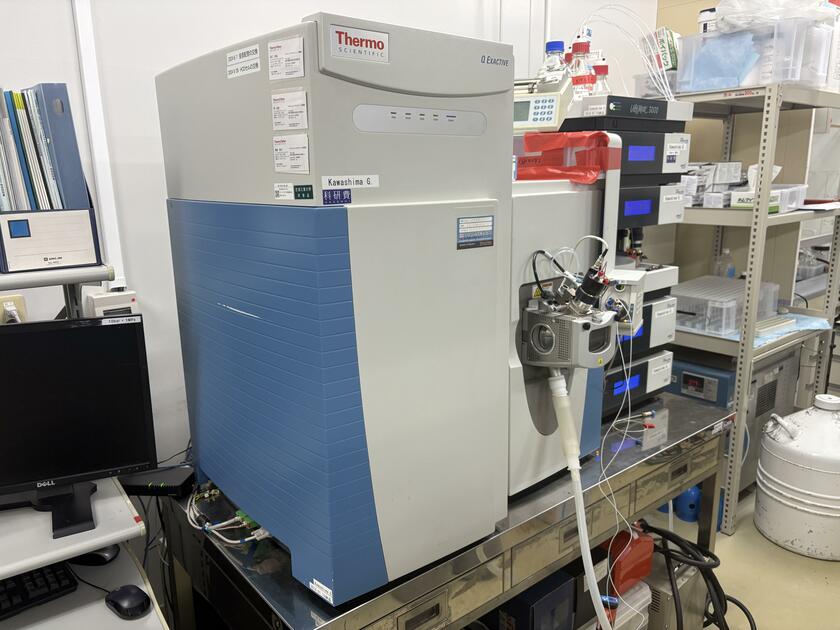
Recent advancements in high-resolution mass spectrometers (HR-MS) have expanded their potential applications to include stable isotope ratio analysis. Traditionally, isotope ratio measurements have been conducted using isotope ratio mass spectrometry (IRMS). However, HR-MS now enables compound-specific isotope ratio measurements, taking advantage of its high resolution and mass accuracy.
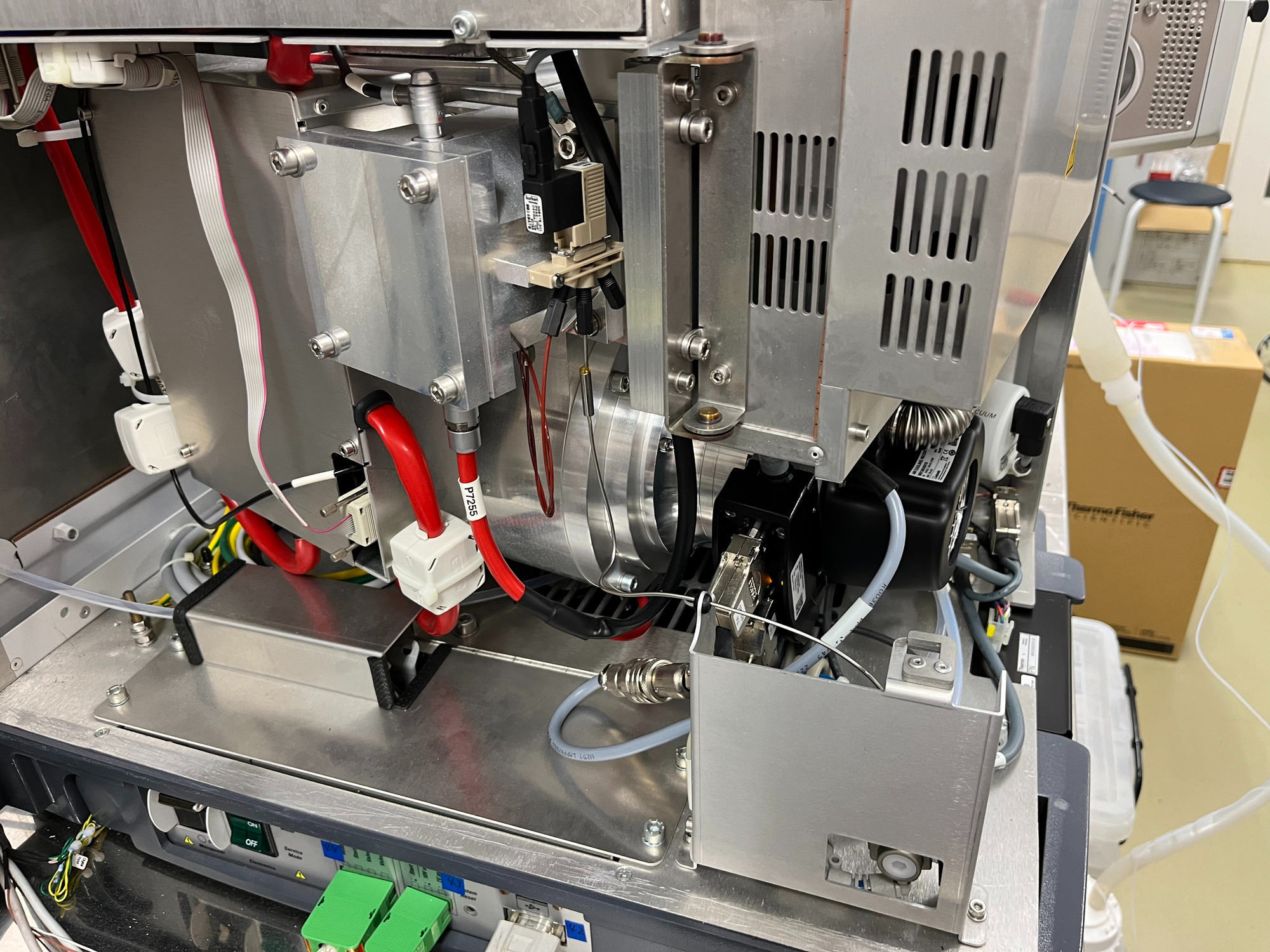
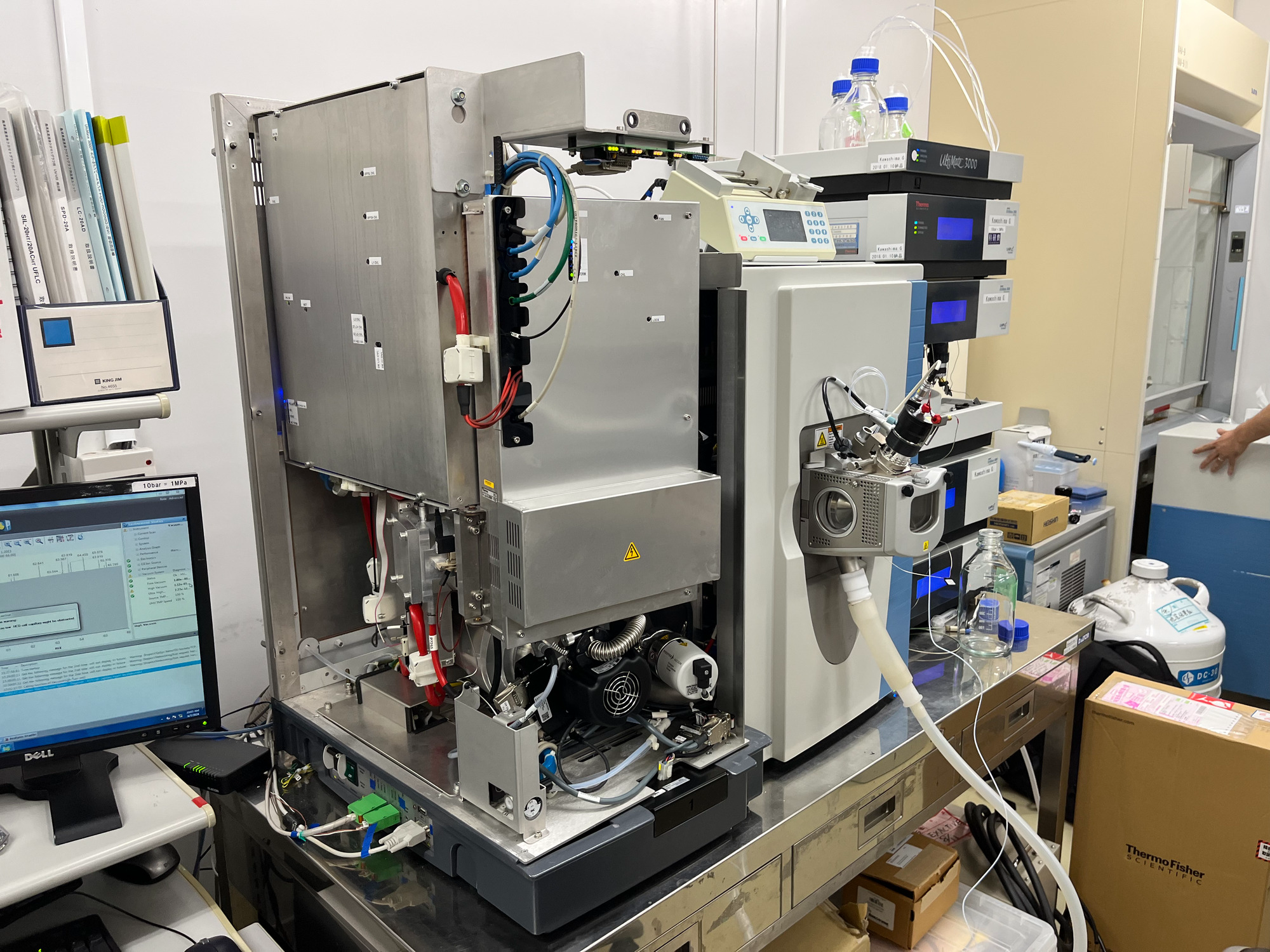
In our laboratory, we are developing quantitative methods for determining carbon and nitrogen stable isotope ratios in organic compounds using an Orbitrap-type HR-MS. By analyzing precise mass differences using certified reference standards and optimizing both internal standard and external calibration methods, we aim to establish a rapid, non-destructive alternative to conventional techniques.
Currently, our focus is on developing isotope analysis methods for environmental contaminants such as PFAS (per- and polyfluoroalkyl substances) and pesticides. These methods are intended for applications such as source attribution and understanding environmental fate. We also collaborate with engineers from Thermo Fisher Scientific and other partners to advance international capabilities in isotope analysis.
Our long-term goal is to promote the application of HR-MS-based stable isotope analysis across a wide range of fields, including food science, environmental studies, and life sciences.
- Capturing the "chemical fingerprint" of PFAS: Successful stable isotope analysis of PFOA and PFOS, a new path to understanding their environmental behavior
- I was interviewed by the Nikkei Shimbun and the Tokyo Shimbun about my PFAS isotope research, and those interviews were published as articles.
解説論文
- New 川島洋人*(2026),オービトラップを用いた安定同位体比分析のさらなる展開、Journal of the Mass Spectrometry Society of Japan, vol.74(2), pp.64
Research papers
- New Hiroto Kawashima*, Tomoha Iezumi, Momoka Suto, Sachi Taniyasu (2026),Stable Carbon Isotope Analysis of PFOA and PFOS Using Orbitrap Mass Spectrometry,Environmental Science & Technology Letters,vol.13(4) pp.574-579
 |  |